Process
Our Process
Our process is built around clarity, collaboration, and consistency. From understanding your goals to delivering measurable results, we ensure every step adds value.
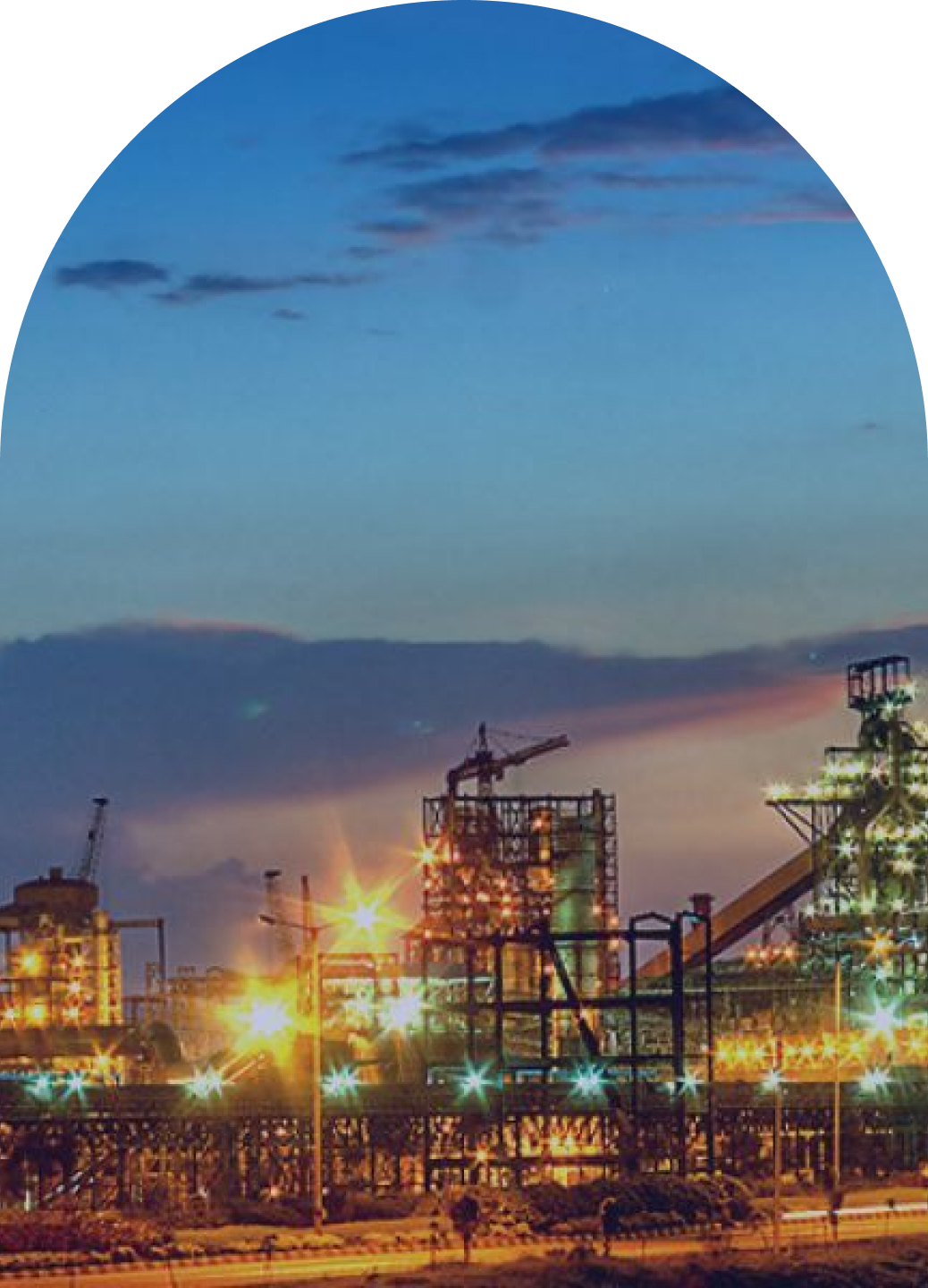
Beneficiation
With the grade of ores continuing to diminish, the pressure for getting more out of existing mines is only going to rise. Lower-grade sources of iron ore generally require beneficiation. The technologies to achieve these goals are classical, complementary and well defined. The biggest challenge is to get ensure that our customers get the best value-for-money proposition. The Iron, Steel & Power Industry needs an associate who knows the Process Technology and has the experience to deliver the desired results and FE Techno is a premier organization capable of providing solutions.
Beneficiation" of Iron Ore includes concentration of Fe contents by physical elimination of unwanted gangue. Beneficiation is the process of regulating the product size and improving chemical and physical characteristics of Iron Ore.
The beneficiation of iron ore is typically carried out using water as separation medium. Hence, it is also referred to as wet beneficiation process. At a given facility, the beneficiation technique may require between 600 and 7,000 gallons of water per ton of Iron concentrate produced, depending on the beneficiation method used. Modern techniques are deployed to reuse an average of 90 percent of the water
Normally, raw Iron Ore is collected from different mines due to which there is a variation in the quality & chemical composition of the raw material, which is not desirable for Pelletising. Hence, these ores are blended together and beneficiated to ensure its quality is near the ideal requirement. The quality of pellets and therefore, the output of the Pellet Plant, is dependent on the quality of output from Beneficiation Plant.
Iron Ore Pelletisation
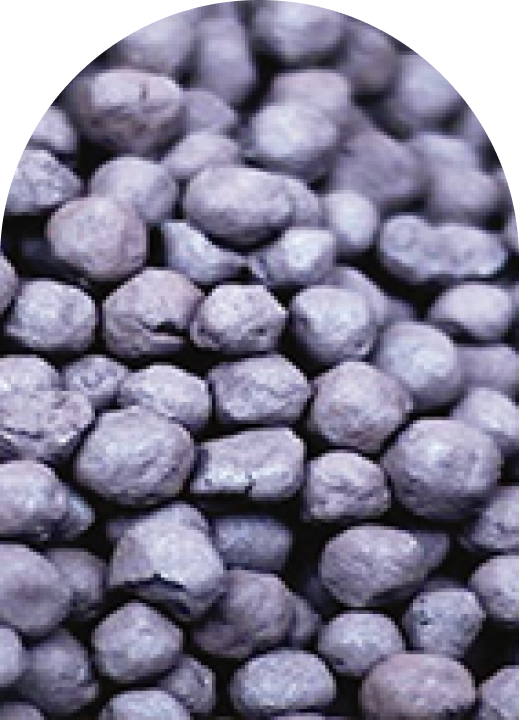
Pelletising is the process through which ground iron ore fines are transformed into heat hardened spheres called “iron ore pellets”. These pellets are suitable for use in an iron-making furnace such as a blast furnace or electric arc furnace. Each iron making furnace has specific iron ore pellet chemistry requirements that govern the design criteria of an iron ore pelletising plant. In its end product form, a typical iron ore pellet is roughly spherical in shape, measuring from six mm to sixteen mm in diameter and having a crushing strength of over 200 Kg, although some variations in these typical parameters can be specified and targeted in the design process.
In iron ore pelletising process, finely ground iron ore is moistened to required level and mixed with a binder. This mixture is continuously fed to a balling disc or balling drum that forms spheres from the ore fines. The spheres, prior to firing, are called green pellets. Upon discharge from the balling apparatus, the green pellets are separated according to size. Those within the desired size range are transported and fed into an indurating process where they are hardened (indurated) by baking in an oxidizing atmosphere. Off-size pellets are recycled back through the process. The induration is carried out in a high temperature furnace designed and optimized to achieve the required pellet chemistry.
Typical unit operations for iron ore pelletising
In an iron ore pelletising plant, the indurating process can be carried out by one of two technologies:
- Grate Kiln technology
- Straight Grate technology.
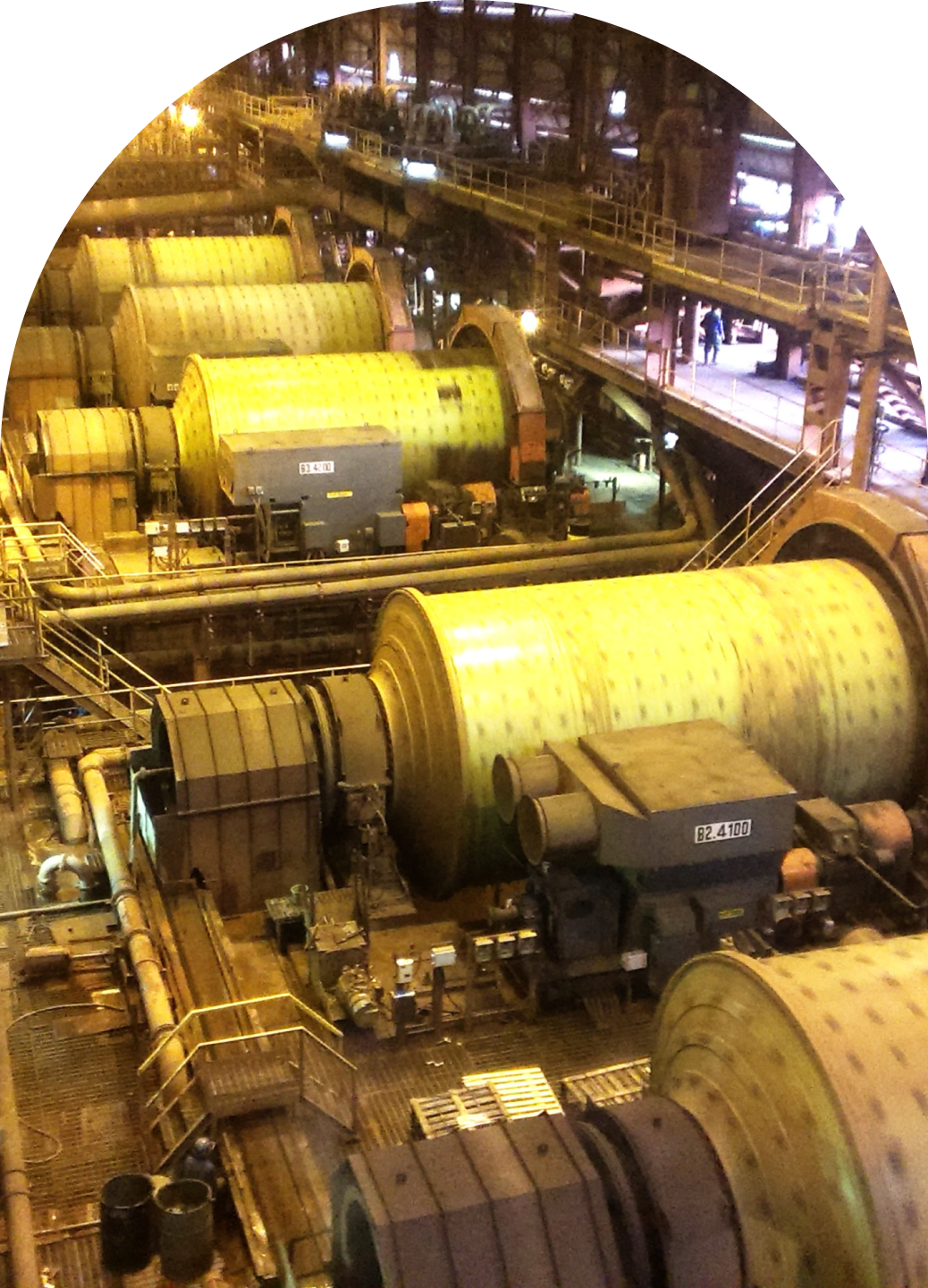
Additive grinding mills - Mills are required for the grinding limestone, dolomite, coal /coke breeze, and bentonite. Additives are typically ground in either air swept vertical roller mills or horizontal ball mills, depending on the capacity needs. In some applications co-grinding of the limestone, dolomite and coal or coke breeze is appropriate. Generally Bentonite is ground separately.
Iron ore rotary dryers - If a dry feed preparation process is designed, rotary dryers prepare the iron ore for feeding to the dry grinding mill by removing all the moisture from the ore.
Iron ore grinding mills - The mills are either dry grinding mills or wet grinding mills depending on the process design. Wet grinding mills produce slurry for downstream filtration prior to the mixing process. Dry grinding mills produce a final grind directly suitable for feeding to the mixing process.
Filtration equipment - If a wet grinding process path is adopted , filtration equipment is provided to remove water from the iron ore slurry emanating from the wet grinding mills. Depending on the chemical characterization of the iron ore, either Vacuum Filters or Pressure Filters are used.
Slurry handling equipment - The wet grinding process requires equipment to pump, store and thicken the slurry prior to filtration. Rubber lined pumps transport the slurry to and from large slurry storage tanks, a concentrate thickener, and eventually the filtration equipment. A rake type thickener is used in the process to increase the density of the slurry prior to filtration.
Mixer - Mixers are used to blend different pelletising feed components, iron ore and additives to a homogeneous balling feed. Generally two types of mixers are used for this process; (1) horizontal - paddle type mixer (2) Vertical type mixers.
Balling disc - It receives a finely ground mixture of iron ore and other additives and produce uniform spherical pellets through the addition of moisture and the dynamic forces of rotation.
Roller screens - The green balls are fed onto a roller screen where a series of rotating rollers separate and transport the green pellets to the indurating machine. Depending on the capacity of the plant either a single deck roller screen (SDRS) or double deck roller screen (DDRS) is used.
The under size & over size green pellets are recirculated to the balling circuit. The “on-size” material is fed to the indurating machine.
Indurating machine - Depending on the indurating process employed, either the Grate Kiln indurating or Straight Grate indurating machine will be used. Each process has specific equipment tailored to the process.
Process fans - Both the Grate Kiln and Straight Grate processes use a series of fans to move and distribute ambient air and hot process gases through the systems. These fans have specific process requirements which dictate the capacities and sizes of the fan.
Iron Ore Testing - A most critical part in the upfront engineering of a prospective iron ore pelletising plant project is the iron ore testing program. For iron ore pellet plants, the testing program is called “Pot Grate Testing”. Pot grate testing is the basic tool to determine the optimal process & quality of the raw materials being supplied to achieve the specified production rate.
Sinter Plant
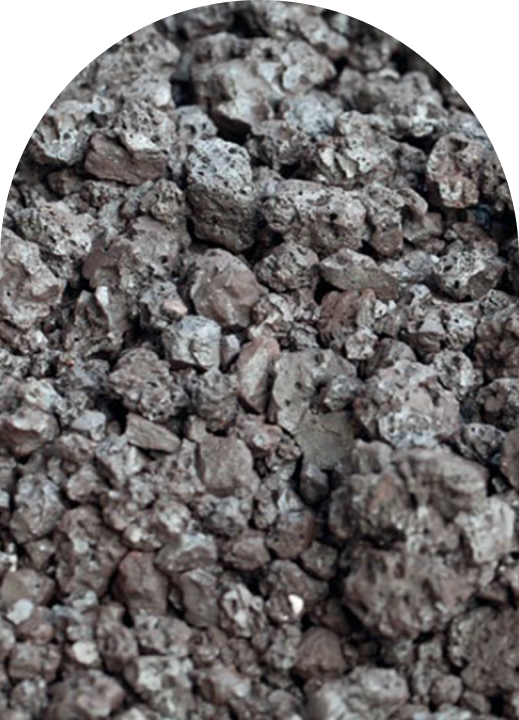
The purpose of the sinter plant is to transform raw material fines into a coarse size iron ore sinter, ready to be charged to the blast furnace. Sintering of fine particles into a porous clinker – sinter – is necessary to improve the permeability of the burden, making reduction easier. A high quality sinter has high reducibility, which reduces the intensity of blast furnace operations and reduces coke demand.
The Principle of sintering
The principle of sintering involves the heating of iron ore fines along with flux and coke fines or coal to produce a semi-molten mass that solidifies into porous pieces of sinter with the size and strength characteristics necessary for feeding into the blast furnace. It is basically an agglomeration process achieved through combustion.
The Product Sinter
The product of the sintering process is called sinter and shall ensure good quality characteristics in terms of Chemical properties, Grain size distribution, Reducibility index and crushing strength.
PROCESS DESCRIPTION
The process of sintering begins with the preparation of the raw materials consisting of iron ore fines, fluxes and fuel. Sinter fines returning from the product screen, always form part of the feed material in all sinter plants.
The ore and additives are fed into the revolving drum for homogenous mixing with addition of the water. These materials are mixed in a revolving drum. Water is added in order to form proper micro-pellets of the raw mix and to obtain adequate permeability. The raw mix is carefully conveyed to the sintering machine to ensure that permeability is maintained. A hearth layer of controlled size sinter is fed to the pans as a protection layer of the grate. Above the hearth layer the raw mix is fed to present level.
The surface of the raw mix is ignited using gas burners. Air is sucked through the ignited layer from the pan bottom and sintering proceeds downward in the material bed. Gas circuit is fully leak proof, not allowing false air to be sucked by the system. This saves power in the waste gas circuit. Sintering temperatures may reach 1300 – 1480 degree.
Discharge from the sinter pan is conveyed to cooling area. After the cooling process sinter is discharged into the crushing station. After the sinter cake is crushed to a pre-determined particle size it is discharged onto a conveyor, which transfers the sinter from crusher to storage area.
Direct Reduction Iron
Sponge iron is the product of solid state reduction of iron ore. It is also known as directly reduced iron (DRI). The process of manufacturing sponge iron or DRI is known as DR process.
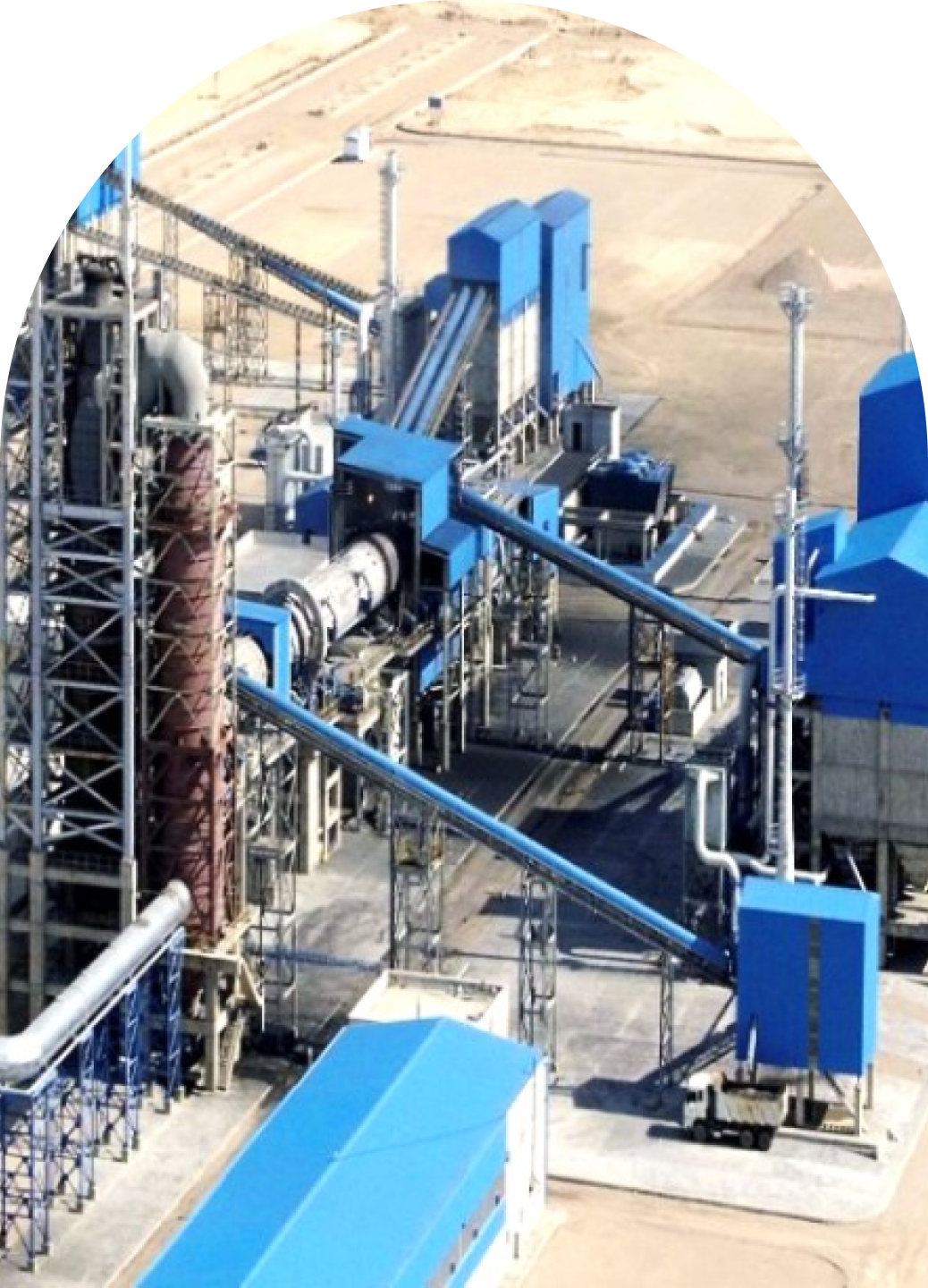
Rotary kiln process is a well established process for production of sponge iron. In this process a refractory lined rotary kiln is used for reduction of iron ore in solid state. A central burner located at the discharge end is used for initial heating of the kiln. Sized iron ore is continuously fed into the kiln along with coal. Small quantities of limestone/dolomite are added to scavenge the sulphur from the coal. Major equipment for the process are:
- Rotary kiln
- Rotary cooler
- Waste heat recovery system
- Magnetic separator
- Conveyors
Power generation
One of the biggest advantages in coal based sponge iron manufacture is the generation of electric power through waste gases at very low cost and this is proving to be equally profitable as the sale of sponge iron. This means that electrical power could become a major product along with sponge iron. As power tariff is high in most of the Indian states, the units can sell power and earn additional revenue or save on energy cost, if used internally.
Refining : Refining operations in the electric arc furnace have traditionally involved the removal of phosphorus, sulphur, aluminium, silicon, manganese and carbon from the steel. Refining operations were carried out following meltdown i.e. once a flat bath was achieved. At the end of refining, a bath temperature measurement and a bath sample are taken for further processing.
Melting : The melting period is the heart of EAF operations. The EAF has evolved into a highly efficient melting apparatus and modern designs are focused on maximizing the melting capacity of the EAF. Melting is accomplished by supplying energy to the furnace interior. Electrical energy is supplied via the graphite electrodes and is usually the largest contributor in melting operations.
De-slagging : De-slagging operations are carried out to remove impurities from the furnace. During melting and refining operations, some of the undesirable materials within the bath are oxidized and enter the slag phase. The furnace is tilted backwards and slag is poured out of the furnace through the slag door. Removal of the slag eliminates the possibility of phosphorus reversion.
Transformer power : Electric furnaces are powerful consumers of electric energy. The furnace transformer transforms high voltage energy into low voltage. The melting process consists of two periods: meltdown and refining period. In melt down period higher electric energy is required as compared with the refining period. In small furnaces, the power consumption for melting is about 600kWh⁄ton and it falls to 450kWh/ton in big furnaces.
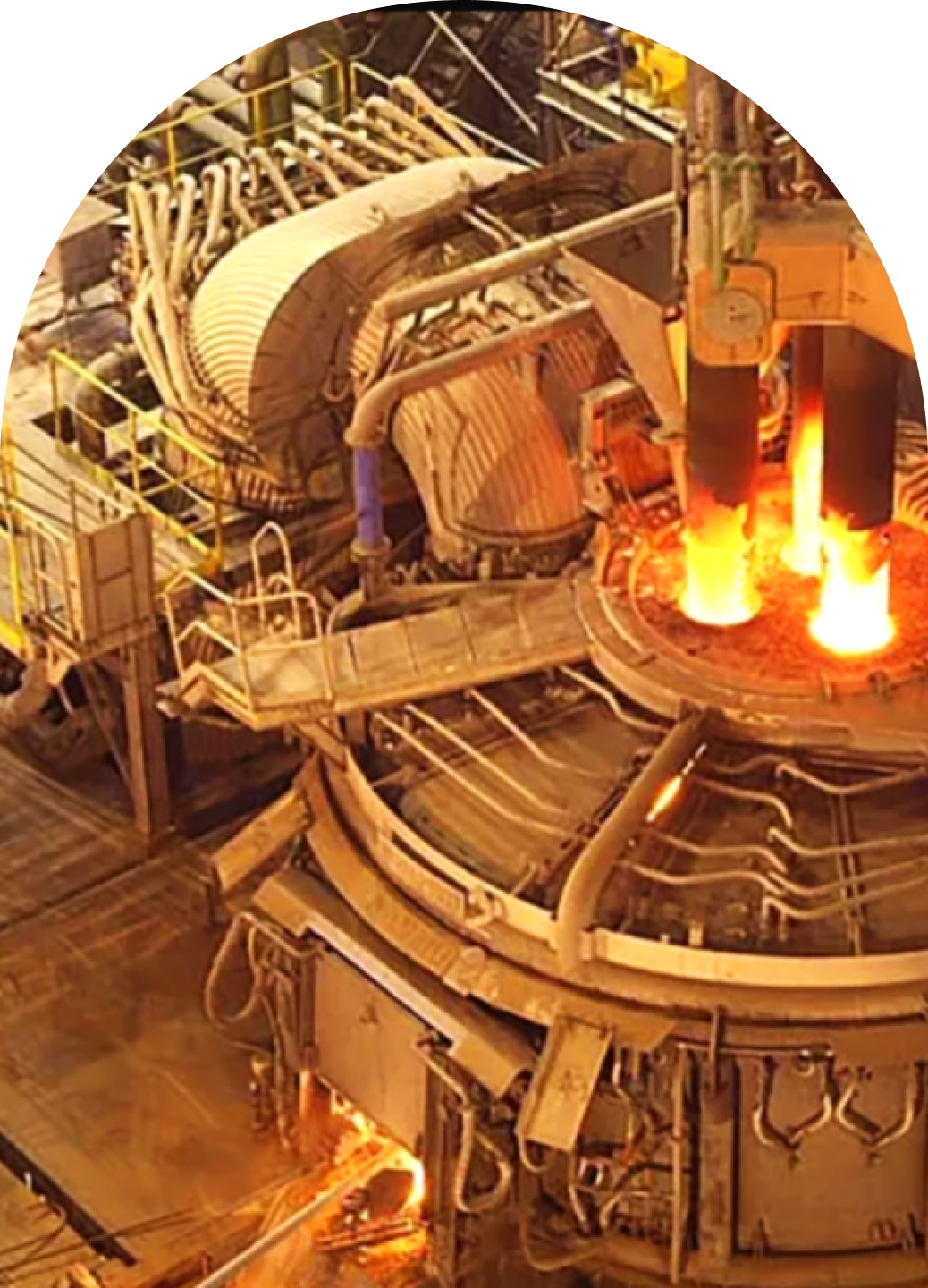
Electric Arc Furnace
Steel making in electric arc furnace has emerged as an important steel making process in recent years. The flexibility and easy adoptability of EAF steelmaking to accommodate the fluctuating market demand have evolved into the concept of mini steel plants to produce different grades of finished products. Although scrap is the preferred raw material but sponge iron and iron carbide are being used regularly in most plants because of shortage of steel scrap and to dilute the concentration of tramp elements. Several developments in the design and operation have made EAF steelmaking to contribute significantly to the overall total production of steel in the world. It must be noted that EAF consumes lot of electric energy and hence the cost and availability of electrical power are important issues in electric steel development.
The electric arc furnace is used to reduce iron from iron ore. Heat is generated from an electric arc between electrodes. Oxygen is blown into the furnace, and lime and other materials are added to combine with the impurities and form slag. Molten iron is extracted and poured out via a tapping spout. It is then processed again in an electric arc furnace to make steel – particularly special quality steel.
Blast Furnace
The purpose of a blast furnace is to chemically reduce and physically convert iron oxides into liquid iron called "hot metal".
The blast furnace is a huge, steel stack lined with refractory brick, where iron ore, coke and limestone are dumped into the top, and preheated air is blown into the bottom. The raw materials require 6 to 8 hours to descend to the bottom of the furnace where they become the final product of liquid slag and liquid iron. These liquid products are drained from the furnace at regular intervals. The hot air that was blown into the bottom of the furnace ascends to the top in 6 to 8 seconds after going through numerous chemical reactions. Once a blast furnace is started it will continuously run for four to ten years with only short stops to perform planned maintenance.
- Iron oxides can come to the blast furnace plant in the form of raw ore, pellets or sinter. The raw ore is removed from the earth and sized into pieces that range from 0.5 to 1.5 inches. This ore is either Hematite (Fe2O3) or Magnetite (Fe3O4) and the iron content ranges from 50% to 70%.
- This iron rich ore can be charged directly into a blast furnace without any further processing. Iron ore that contains a lower iron content must be processed or beneficiated to increase its iron content.
- The iron ore, pellets and sinter then become the liquid iron produced in the blast furnace with any of their remaining impurities going to the liquid slag.
- The coke contains 90 to 93% carbon, some ash and sulphur but compared to raw coal is very strong. The strong pieces of coke with a high energy value provide permeability, heat and gases which are required to reduce and melt the iron ore, pellets and sinter.
- Since the limestone is melted to become the slag which removes sulphur and other impurities, the blast furnace operator may blend the different stones to produce the desired slag chemistry and create optimum slag properties such as a low melting point and a high fluidity.
- All of the raw materials are stored in an ore field and transferred to the stock house before charging. Once these materials are charged into the furnace top, they go through numerous chemical and physical reactions while descending to the bottom of the furnace.
- The iron ore, pellets and sinter are reduced which simply means the oxygen in the iron oxides is removed by a series of chemical reactions.
- At the same time the iron oxides are going through these purifying reactions, they are also beginning to soften then melt and finally trickle as liquid iron through the coke to the bottom of the furnace.
In summary, the blast furnace is a counter-current realtor where solids descend and gases ascend. In this reactor there are numerous chemical and physical reactions that produce the desired final product which is hot metal.